Study in Japan
Study in Japan
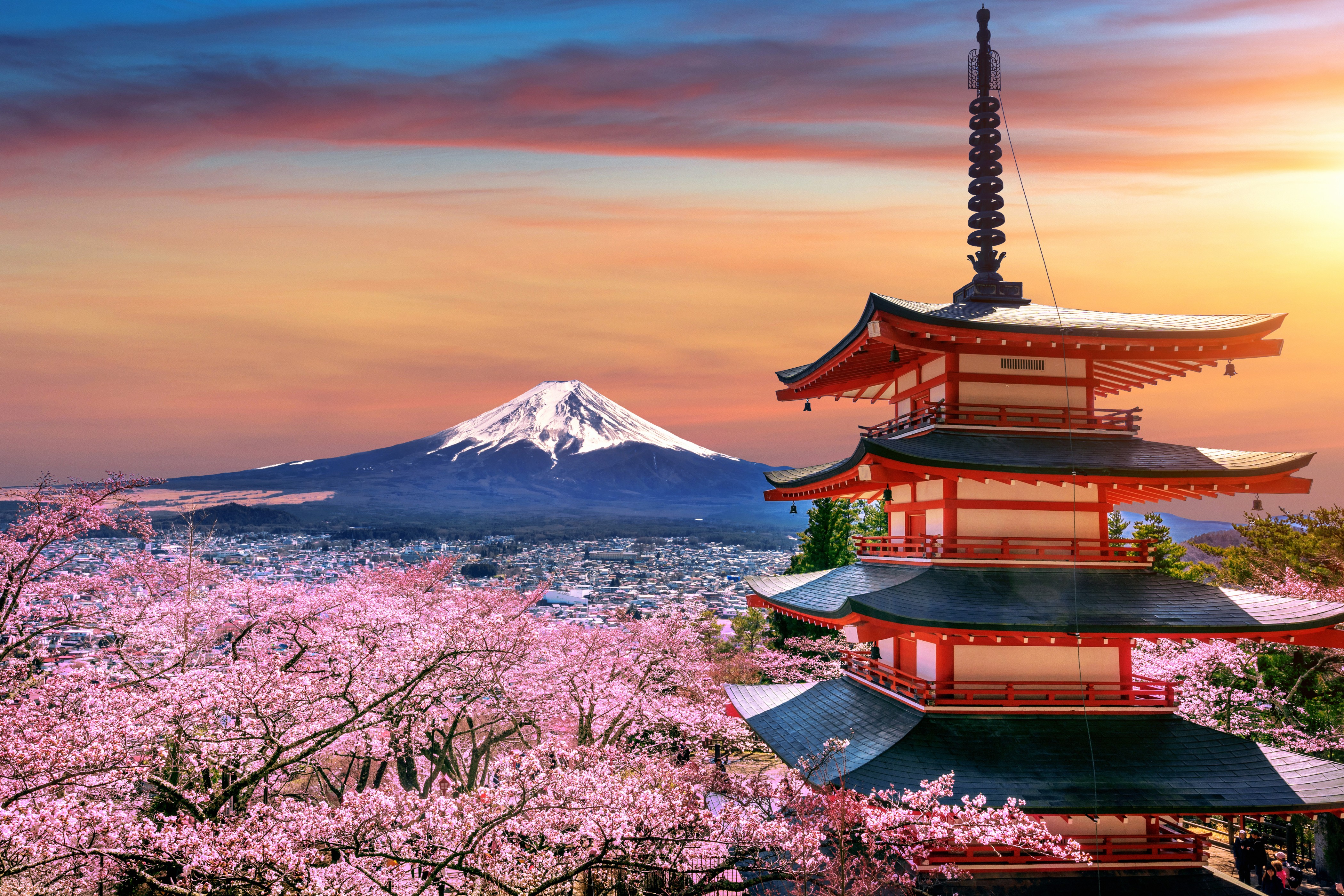
Japan is the fourth island nation in Asia and the largest island country in East Asia. The government system is a parliamentary government with a constitutional monarchy; the chief of state is the emperor, and the head of government is the prime minister. Japan has a market economy in which prices of goods and services are determined by a free-market system. Japan is a member of the Asia-Pacific Economic Cooperation (APEC) and the Trans-Pacific Partnership (TPP).
Japan is officially divided into 47 prefectures and traditionally into eight regions. Approximately two-thirds of the country’s terrain is mountainous and heavily forested, and less than one-eighth of the land is suitable for agriculture. Consequently, Japan is among the most densely populated and urbanized countries, with over 90% of its population living in urban areas. Eastern Japan has hot and humid summers and cold winters with very heavy snow on the seaside and in mountainous areas. Western Japan has very hot and humid summers (sometimes reaching 35 °C or above) and moderately cold winters. Okinawa and Amami have a subtropical oceanic climate.
National Details:
- Language: Japanese
- Population: 125,338,418
- Area: 377,944 sq. km
- Per capita: $51,809 (2023)
- Currency: Yen
Education System:
- Elementary school: 6 years
- Lower secondary school: 3 years
- Upper secondary school: 3 years
Tiers of Japanese Colleges and Universities:
- Junior Colleges
- Professional Training College
- Universities
- College of Technology
Graduate Schools
Note: These are the five types of higher educational institutions where international students can be admitted after finishing the Japanese language course at a language school.
Eligibility Criteria:
Applicants must have a High School (10+2) or Diploma (10+3). Students must take a Japanese language course before starting their primary course of study.
Who Offers a Japanese Language Course:
- Japanese language schools
- Specialized training colleges and schools
- Private universities and junior colleges
Duration of Language Courses:
- April intake: 2 years
- July intake: 1 year 9 months
- October intake: 1 year 6 months
- January intake: 1 year 3 months
After Finishing the Language Course:
University or College (Daigaku): Bachelor's or Master's degree
Vocational School (Shingakkou): Technical courses like HM, Travel & Tourism, Business Management, Applied Accounting, Automobile Engineering, Translation, Social Work, etc.
Daily & Weekly Class Hours:
- Daily: 4 hours
- Weekly: 20 hours
Holidays and Vacations:
- Saturday & Sunday off
- Vacation every 6 months; students can work full-time
School Fees:
540,000 yen – 1,130,000 yen yearly
Monthly Living Expenses:
70,000 yen – 100,000 yen per month
Immigration Rules and Regulations:
- Valid student visa required
- Work: 28 hours/week, 8 hours/day during vacations
- No criminal involvement
- Minimum 90% yearly attendance
- Must follow school rules
In Case of Refusal:
- All fees except application & admission fees refundable
- Check school website for exact policy
Career Outcome & Work Rights:
- Bachelor's degree holders can apply for a work permit post language course
- High school graduates must take professional courses & find related jobs for a work permit
- Bachelor’s & Master’s degrees highly valued
Part-Time Jobs:
- 28 hours/week, 8 hours/day during vacation
- Hourly Rate: Tokyo – 900-1,200 yen; Fukuoka – 700-900 yen
- Payment may vary depending on work type
Future Prospects:
- Education recognized worldwide
- Prestigious jobs accessible
- No discrimination
- Crime-free society
- World-class health facilities
Facilities:
- Foreign students encouraged & supported
- No wage disparity
- Insurance and other facilities available
Opportunities:
- Many Nepalese students get permanent residence (PR)
- Prosperous & secure life possible
- Success requires patience, dedication & education
Special Features of Japan:
- Safe & clean
- Peaceful
- Well-developed & economically strong
- Affordable tuition
- International environment
- Worldwide recognized degrees
- Practical education
- Advanced technology
- College support for part-time jobs
- Can work 28 hours/week
Total Initial Investment:
- 1,100,000 yen – 1,640,000 yen covers 1-year school fee + 6 months dormitory
- May vary by school
Ticket:
- One-way: 60,000 – 80,000 NRs
- Students can only purchase one-way tickets
Traveler’s Amount:
- Carry 80,000 – 150,000 yen for initial expenses